• Photo Credit: Iwitness News St Vincent 

    Lately, the Agency for Public Information (API) has been working harder than ever. Every day, our feeds are flooded with photos of new patches of asphalt, freshly painted walls, ribbon cuttings, and “updates” on ongoing projects across the country. Suddenly, everything is moving at lightning speed. But we all know why.

    Election season is creeping up.

    And that raises an uncomfortable but necessary question;

    “Why do we allow governments to treat us this way?”

    The Election‑Season Miracle

    Every Vincentian knows the cycle. As the Electoral Commission Mrs James, gears up and talk of election dates grows louder, suddenly we see:

    ✅ Roads being paved that should have been fixed years ago.

    ✅ “New” projects that have been sitting on paper for ages suddenly breaking ground.

    ✅ Ministers cutting ribbons and making speeches like they’ve delivered miracles.

    And we weary of neglect are expected to clap for basic expectations.

    Think back to 2020: whole stretches of road in Leeward and Marriaqua were suddenly resurfaced overnight after years of being pothole jungles. In 2015, “urgent” community clean‑ups and small house‑repair grants appeared out of nowhere then slowed to a trickle right after the ballots were counted.

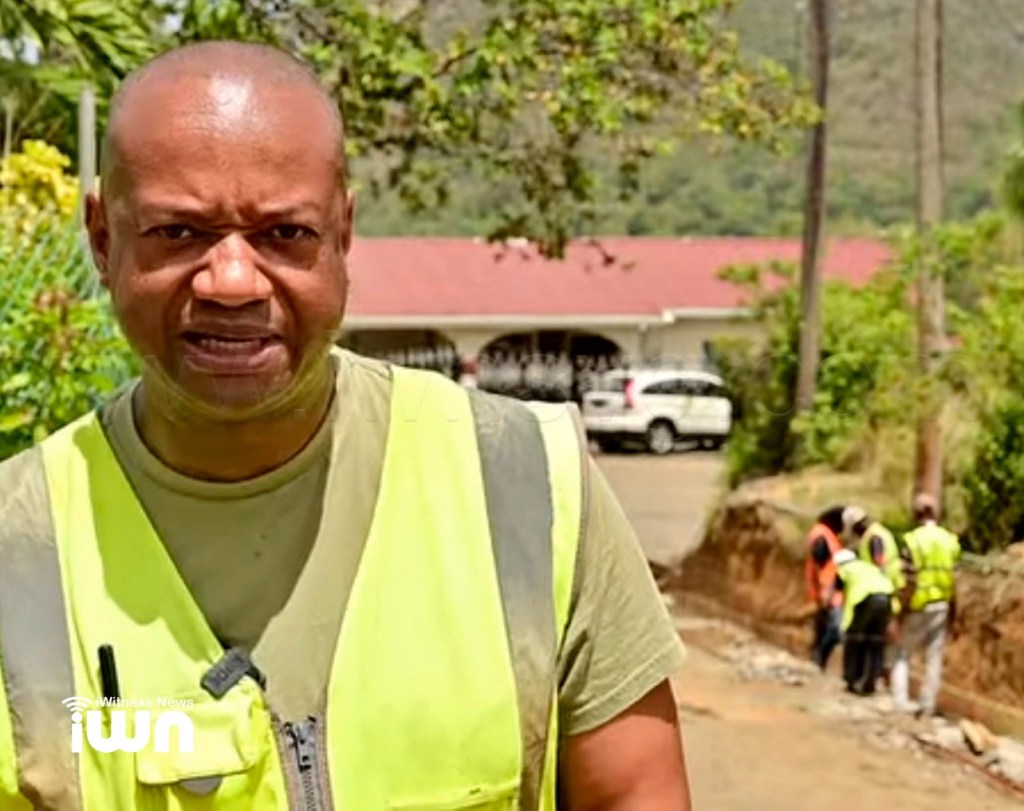
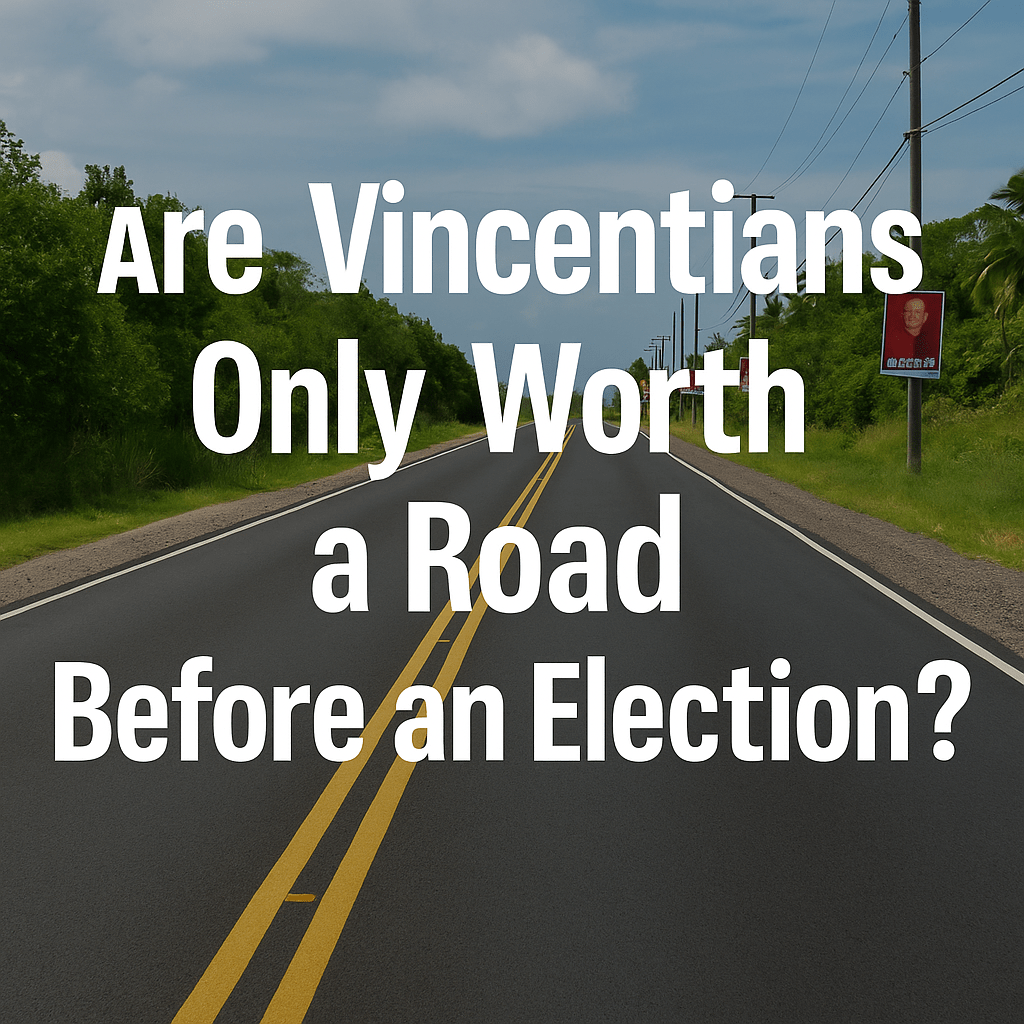
    And now, in 2025, the long‑suffering Edinborough/Ottley Hall Road ignored for years despite heavy use has suddenly become a priority. Asphalt, trucks, men in high‑visibility vests and camera crews all just in time for an election calendar. 

    Minister of Transport and Works, Montgomery Daniel said In March said, “the project is now slated to be completed on 30 April 2025.” The completion date was given in Parliament in response to a question from West Kingstown MP, Daniel Cummings in early March 2025 yet almost 3 months on, we are still on it again, without accountability. 

    Even Argyle International Airport a national achievement, 100% yes! This was fast‑tracked for a pre‑election unveiling, though the promises of jobs and lower prices attached to it remain uneven years later. Of course not without issues. 

    “Is this really the measure of leadership to pave a road only when an election looms?”

    Like a Toxic Family Member

    It’s familiar because we’ve seen it in life.

    It’s like that toxic family member who’s cold, rude, and absent all year but, when Christmas rolls around, they suddenly show up with gifts and smiles, hoping one “nice gesture” will wipe away a year of neglect.

    It’s like that partner in a bad relationship who ignores you, mistreats you, and fails to show up when it matters, but turns on the charm just enough to keep you from leaving.

    “This is abuse, political abuse. And we shouldn’t tolerate it.”

    We wouldn’t let a spouse or family member get away with that forever. At some point, we’d call it out.

    So why do we tolerate it from the people we elect to lead us?

    The Price of Silence

    For too long, Vincentians have accepted this pattern. We grumble in the rum shop, we complain at the bus stop, but too often, we don’t demand better.

    And the price of that silence is clear:

    Supermarket prices keep climbing.

    Unemployment remains painfully high.

    Poor relief has turned from lifeline to chain.

    Crime keeps climbing without convictions.

    But come election time, we’re shown a freshly tarred road and told to “look how much work is being done.”

    “When we trade our votes for patches of asphalt, we sell ourselves cheap, and they know it.”

    Do They Think We Are Fools?

    Or is the harsher truth this that we keep allowing them to treat us like we are?

    Every election season, the same script plays out:

    🎥 API cameras roll.

    🛠️ Roads get patched.

    📢 Ministers smile and promise.

    Then after the votes are counted? The hustle slows. The cameras turn away.

    “The same roads they didn’t pave for years will wait for the next election cycle.”

    Just like that toxic relative who ghosts you for 11 months and shows up in December, our politicians disappear for years and expect love in election season.

    Leadership Should Not Be Seasonal

    Here’s the truth: real leadership isn’t seasonal.

    It’s not a burst of action every five years. It’s consistent, steady, relentless service.

    “A government that waits for an election to act is a government unworthy of re‑election.”
    What Vincentians Must Ask Themselves

    We wouldn’t accept this behavior from a partner or a family member.

    “So why do we accept it from politicians?”

    We can’t blame politicians for playing the game if we keep letting the same playbook win.

    Breaking the Cycle

    Breaking this cycle starts with one simple shift: expecting more.

    ✅ Ask questions year‑round.

    ✅ Hold leaders to their promises.

    ✅ Refuse to trade votes for temporary fixes.

    When we stop being dazzled by last‑minute projects, leaders will realize they can’t coast for years and then sprint for votes.

    The Bottom Line

    The API, NBC Radio and WeFm can flood our screens with updates. Ministers can race to cut ribbons. Projects can pop up overnight.

    But the truth remains:

    “Roads, walls, and ports are the job. They’re not favors. They’re not bribes for our votes.”

    Until Vincentians demand more than last‑minute gestures, we’ll keep getting last‑minute governance. The choice isn’t just at the ballot box it’s in what we accept every day between elections. Let’s not talk about the invention of sanitation workers just before the last election who didn’t get a penny for five months.
  • Enough is Enough.

    In St. Vincent and the Grenadines, we’ve been conditioned to expect little from our leaders and even less from ourselves. Politicians have normalized handing out short-term favors while offering no long-term vision for meaningful development. Roads crumble. Public services rot. Corruption flourishes. We worship politicians and political parties more than we worship God. And too many of us stay silent, convincing ourselves, “Ah Vincy we dey.”

    But this country  and its people deserve more.

    You deserve more.

    You’re worth more than that.

    1. Handouts Are Not Progress

    Look around. Every election season, there’s a sudden flood of lumber, galvanize, and cement. Envelopes with $300 appear, passed down through party activists. Temporary road gangs sweep the streets just in time for Christmas. These are handed out like favours, not rights. Politicians make you feel indebted for scraps.

    They tell you to “hold strain” and be patient. But year after year, nothing changes.

    Ask yourself:

    How is it some people build “big house” in just a few years of politics, while you’re still patching holes with leftover plywood?

    Why don’t some politicians ever want to leave?

    What’s the average age of our political parties?

    They keep you tied to dependency because it serves them, not you.

    You’re worth more than that.

    2. Poor Roads, Poor Transport: A Symbol of Neglect

    Take a drive from Richland Park to Redemption Sharpes. Count the potholes. Go through Mesopotamia, Marriaqua, Lauders, Georgetown — same story everywhere. Roads patched today collapse tomorrow. How many times must we hear that “work will start soon”?

    Look at the minibus system. Vehicles barely pass inspection, if they even bother. Tyres bald. Brakes unreliable. Engines belching smoke into your face as you wait at the roadside. Government vehicles aren’t much better. Yet this is how people, students, workers, the elderly, are forced to travel daily. And after 5pm? Good luck getting transport.

    Where’s the accountability? Who enforces standards?

    You’re told, “Ah Vincy yo dey.”

    But no.

    You’re worth more than that.

    3. Falling Standards, Falling Expectations

    Walk into a government office and spend three hours waiting for a five-minute task. You’re treated as if you’re asking for a favour, not a service. Schools lack resources. Clinics run out of medicine. Public buildings decay. The excuses are ready: “money tight,” “supplies short,” “other countries the same,”anything to avoid responsibility.

    Why is this accepted? Because we’ve been conditioned not to ask for better. Conditioned to feel lucky for the bare minimum. Conditioned to be called “ungrateful” when we dare to question.

    But here’s the truth:

    You’re worth more than that.

    4. Corruption Thrives in Silence

    It’s no secret how favours and contracts are awarded here. Who gets what depends less on qualifications and more on connections. Public money vanishes into private pockets, yet no one is ever held responsible. Police, customs, health services corruption whispers through every institution.

    And still, people stay silent. Why?

    Fear. Fear of victimization. Fear of losing work. Fear of being branded a “troublemaker.”

    The irony? In SVG today, asking for justice is considered causing trouble. Standing up for your rights is seen as disrespect. This isn’t democracy. This is control.

    But still:

    You’re worth more than that.

    5. Fear Has Become Normal

    Speak the truth and you’re targeted. Refuse to toe the party line and you’re punished. In some communities, people live in fear of simply being seen talking to the “wrong” person, attending the “wrong” meeting, voting for the “wrong” party. Even some churches have fallen in line with politics, not principle.

    How can a country progress when doing the right thing feels wrong? How can children believe in fairness when adults are too afraid to demand it?

    You deserve a country where honesty is celebrated, not punished.

    You’re worth more than that.

    6. Demand More Because You Deserve More

    Stop accepting:

    • Roads that break your vehicle.

    • Transport that endangers your life.

    • Public services that waste your time.

    • Leaders who preach prosperity but deliver poverty.

    Stop settling for crumbs when you deserve a seat at the table. Speak out. Demand accountability. Reject mediocrity. Expect more.

    You’re worth more than that.

    7. We Are Losing Our Brightest

    We celebrate our people’s achievements abroad: in the Army, Navy, NHS, police, security services, even in neighbouring islands. We cheer when Vincentians excel overseas. But have we asked ourselves why we cannot retain our brightest at home?

    Why do we lose them? Why do people in their 20s and 30s end up on poor relief?

    Why does survival at home seem harder than starting from scratch abroad?

    The answer lies in a system that suffocates ambition and rewards obedience over talent. A system that needs structural change:

    • Police

    • Schools

    • Immigration

    • Fire Services

    • Insurance (Home & Life)

    • Technology

    • Factories

    • Audits

    • Vehicle Inspection

    • Banking

    • Decentralized Services

    • Health & Safety

    • Transportation

    • Public Service Accountability

    • Governance

    • Public Servant Culture

    These deserve deeper attention — which I will address in another article.

    But for now, understand this:

    You’re worth more than that.

    Conclusion: Change Begins With Us

    Changing governments isn’t enough if we don’t change the mindset that keeps us accepting less. True progress begins when people believe they deserve better, and demand it.

    This is not about red or yellow. This is not about personalities. This is about creating a country where dignity, fairness, and opportunity aren’t luxuries for the few but rights for all.

    Enough handouts. Enough mediocrity. Enough fear.

    Start believing it. Start saying it. Start living it:

    You’re worth more than that.

    “Vincy to the bone” must mean more than a slogan.

    What is “Vincy to the bone” if it’s covered in corruption, intimidation, lies, and dishonesty?

    Is it unpatriotic to demand accountability?

    Is it disrespectful to question dishonest leaders?

    Hard-line party loyalists will make you feel that way. But remember:

    You are a Vincentian before you are a supporter of any party.

    You’re worth more than that.

  • July 2025

    In recent weeks, watching Prime Minister’s Questions (PMQs), I couldn’t help but notice something troubling: an MP using their single allotted question to speak, not for the people they represent here in Britain, but for those in Gaza.

    Now, before the accusations begin, let me say this plainly. What is happening in Gaza matters. Lives matter, no matter the geography. War, occupation, and injustice deserve our attention, and Britain’s foreign policy should be held to account. But I ask: when MPs stand in the House of Commons, whose voices are they meant to carry their constituents here at home, or those living thousands of miles away?

    Because while this MP took their moment to speak on Gaza, I can think of hundreds of thousands of people right here in Britain, including those in their very constituency who are waiting for answers too. Answers on crumbling NHS services, rising rents, unaffordable childcare, school places, veterans abandoned by the system, and a Home Office making life a misery for Commonwealth soldiers and their families.

    Those questions weren’t asked. That opportunity was spent elsewhere.

    Who Comes First?

    MPs are elected to speak for us. That’s the contract. We don’t send them to Parliament for their personal conscience alone. We send them to voice the everyday struggles of the people who live, work, and pay taxes in their constituencies. The people sitting on council housing waiting lists. The small businesses drowning in red tape. The parents skipping meals to feed their kids.

    And yes, international matters matter. But should one question sometimes the only chance in months really be spent advocating for people outside these shores, while constituents grow ever more disillusioned, unheard, and abandoned?

    I wonder how many in that MP’s local surgery the ones battling rent hikes, fighting immigration bureaucracy, or scraping by on zero-hour contracts heard that Gaza question and thought: “What about us?”

    What’s the Role of PMQs?

    Prime Minister’s Questions was never meant to be a weekly show trial on international affairs alone. It is a platform to scrutinize government on everything under its remit, NHS, welfare, veterans, defence, housing, and yes, foreign policy too. But if week after week we watch MPs using that platform to chase headlines on Gaza or Yemen or Afghanistan while ignoring the rot under our own feet, something is wrong.

    There are select committees, special debates, and Foreign Office briefings for sustained, detailed scrutiny of international policy. PMQs should reflect what is burning hottest at home. And right now, Britain is on fire in too many places to count.

    Representation or Grandstanding?

    The risk here isn’t only neglect. It’s the growing perception that some MPs no longer speak for the people who elect them but instead for global causes that align with activist agendas or personal brand-building. It’s easy to get applause online for championing Gaza. It’s less glamorous to ask awkward, local questions about why the GP surgery hasn’t reopened, or why British-born children of soldiers can’t bring their siblings over while Afghan migrants fly in 22 relatives overnight.

    Yet that is the work constituents expect. That is what democracy demands.

    A Final Word on Fearmongering

    On a separate but related note: we must resist the creeping fearmongering narrative that Britain will somehow “become a Muslim country” because of immigration. Britain will remain Britain, a patchwork of cultures, faiths, and traditions, governed by the rule of law, not religious law. Muslims will remain a small, respected minority here for generations to come. Our democracy is stronger than demographic paranoia. What it needs is MPs who remember why they were sent to Westminster in the first place.

    In the End: Ask Yourself This.

    Next time your MP stands up in Parliament and asks their question, ask yourself:

    Did they speak for you — or for someone else entirely?

    And when the election comes, answer accordingly


  • While Afghan refugees settle freely with military help, Commonwealth soldiers fight a silent battle for their children’s futures.

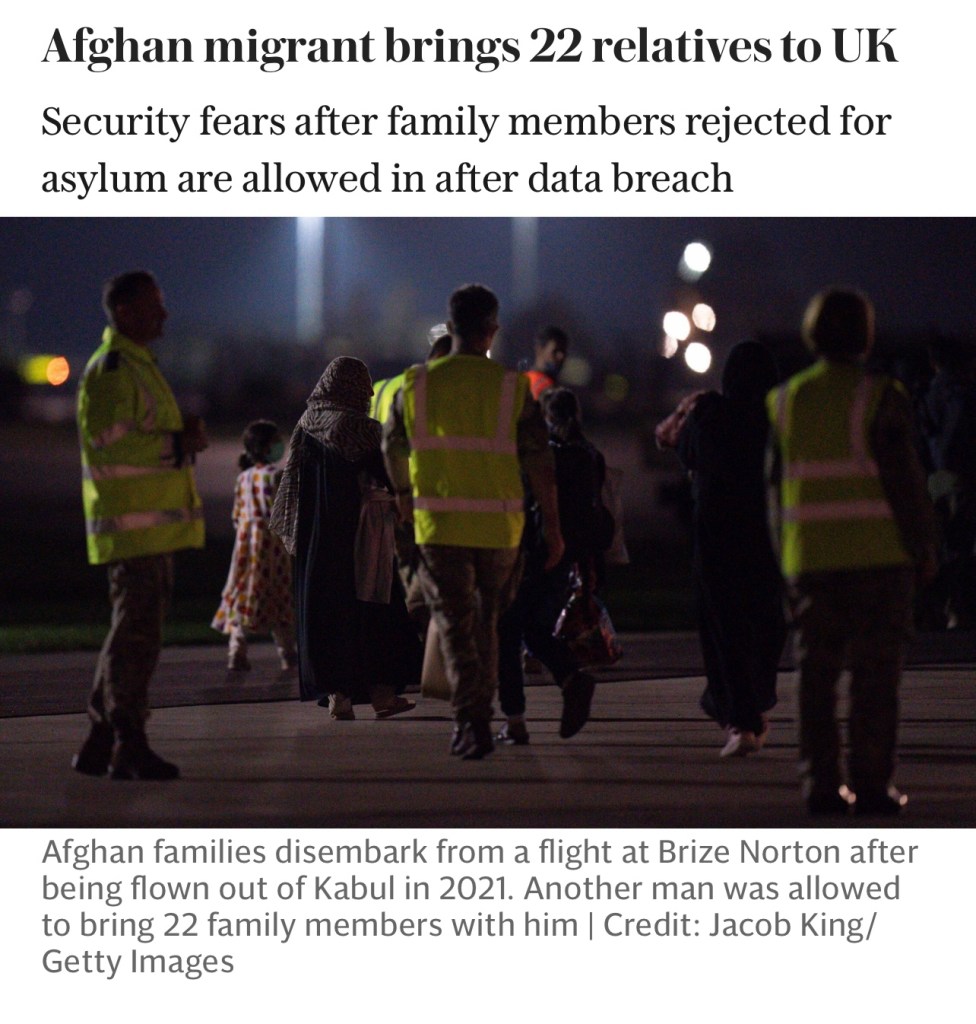
    In July 2025, headlines declared that an Afghan migrant had successfully brought 22 relatives into Britain, despite several of them having been previously rejected for asylum. This was made possible through what officials termed a “data breach” a polite phrase masking a wider truth: if the system wants you in, it will find a way.

    But for the hundreds of Commonwealth soldiers quietly serving in the British Army, the system doesn’t want to find a way. It wants to put up barriers.

    While politicians trip over themselves to show compassion to foreign arrivals, the men and women serving this nation in uniform, particularly those from Africa, the Caribbean, and Fiji are treated with cold suspicion when trying to reunite with their families.

    These are not people asking for housing, benefits, or a free ride. They are not asylum seekers. They are British taxpayers and uniformed service personnel who stand guard at the nation’s gates. And yet, they are forced to fight exhausting bureaucratic battles simply to bring their children and spouses to live with them families who, without doubt, would only strengthen Britain, not burden it.

    Before the MOD’s Welfare Department even considers supporting a soldier’s child living overseas, that soldier must provide:
    – Proof of income meeting arbitrary thresholds.
    – Bank statements stretching back months or years.
    – Western Union or MoneyGram transfer receipts as evidence of regular financial support.
    – Detailed explanations of why their family does not already hold the “correct” visa.

    All this from people the British Government trusted enough to send on operations in Iraq, Afghanistan, and now Eastern Europe.

    Consider the cruel irony: These same soldiers denied the basic right to bring their own families to the UK, are repeatedly called upon to support government operations designed to help others start a new life here.

    Under Op Interflex, they train Ukrainian forces in how to defend and rebuild their nation, while quietly battling the Home Office for the right to bring their own children to safety.

    Under Op Pitting, they risked their lives in Kabul to evacuate Afghan families to the UK, only to return home and find their own families treated as foreigners by the very country they serve.

    Under Op Shader, they have stood firm in the fight against ISIS, helping protect civilians across Iraq and Syria, even while their own applications to reunite with loved ones are met with suspicion and delay.

    Now, under Op Lasarite, they provide round-the-clock support to help Afghan migrants settle into British communities, teaching them how to navigate British life, access healthcare, and find belonging. Yet these soldiers, living side-by-side with those they help, remain locked in battles of their own, fighting bureaucracy, not for strangers, but for their own children.

    All these efforts serve the same moral purpose: helping others rebuild lives torn apart by war. And yet, these soldiers must watch as those they serve receive rights and recognition denied to them.

    This is not hypothetical injustice. It is lived reality. I have met serving soldiers, particularly single mothers from the Caribbean, who quietly work multiple jobs alongside their military duties to support children they haven’t seen in years. Not because they don’t care, but because the UK Government has placed so many legal and financial hurdles in their way.

    These mothers aren’t skipping regimental parties because they’re “antisocial.” They’re doing side shifts to make the extra money to send home, battling the Home Office, and counting down days between hopeless meetings with welfare officers who tell them, “Our hands are tied. I’ll give you this card (AFF) or just go on Google.”

    The British Armed Forces Covenant is supposed to ensure no one who serves this nation is disadvantaged because of their service. Yet in practice, the Covenant isn’t worth the paper it’s written on. It is a poster in a welfare office. It is a slogan on a website. It is not a lived reality for those battling for their families.

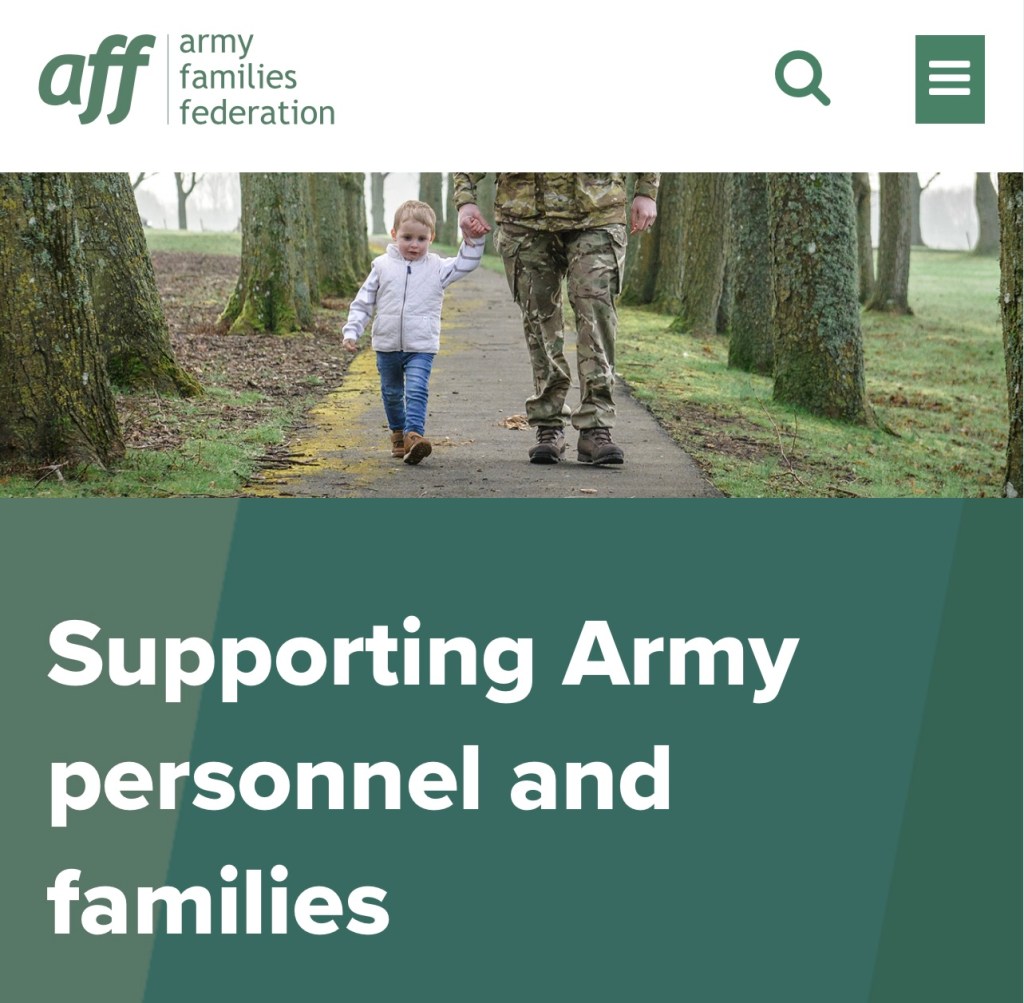
    Unit welfare departments are, frankly, useless in these matters. Unlike the Army Families Federation (AFF.) A charity that gives tremendous support to soldiers and their families, these official welfare channels shrug and hide behind policy. The person is normally just filling a gap or a position for a tick-in-the-box period with a tired “back in my day” mentality. It doesn’t affect them, so it doesn’t matter. More time is spent organising coffee mornings, wives’ social gatherings, and giving out day passes than addressing real issues that tear families apart.


    Even the AFF themselves are frustrated with the Government’s double standards, knowing full well how much needless suffering these immigration policies inflict on loyal serving soldiers.

    I also believe that by the Government’s own description of the word, these actions are prejudiced.

    Where is the integrity in a system that demands soldiers show loyalty, respect, and selfless commitment, but cannot return the basic decency of supporting their family life? Where is the fairness in a government that publicly celebrates its “openness” to refugees while privately closing its doors on those wearing British uniform? Is it that they are only good for their sweat, blood, and tears, and nothing else?

    The Policies at Fault:
    The Appendix Armed Forces of the Immigration Rules places disproportionate financial and bureaucratic burdens on non-UK soldiers, even those with permanent contracts.
    Meanwhile, the MOD’s Joint Service Publication (JSP) 770, which governs service family welfare, explicitly requires full immigration compliance before offering practical or financial help — even if it means separating parents from children for years on end.

    There is no fast-track for Commonwealth soldiers. No sympathetic hearings. Just endless paperwork, endless excuses.

    Enough is enough.

    Britain’s armed forces recruitment adverts preach “belonging.” Its senior officers parrot empty slogans about inclusion and diversity. But belonging without your children is no belonging at all.

    If this Government can move heaven and earth to accommodate strangers, it can move policy to protect those who already serve under its flag.

    Service should mean something. Not just medals and memories but, the right to live as a family in the country you defend.

    It is time for ministers, generals, and civil servants to show the integrity they so often demand of their troops. The double standard must end.

  • For too long, too many voices in St. Vincent and the Grenadines have been silenced — not with ropes or gags, but with fear, ridicule, and dismissal. I’ve watched it happen. I’ve experienced it myself. And I’ve had enough.

    Vincentian Expression isn’t just a blog; it’s a refusal to stay silent. It’s a platform for truth, for reflection, and for the kind of conversations our country badly needs but too often avoids.

    I created this space because Facebook isn’t enough. Social media can be noisy, fleeting, and vulnerable to censorship. Here, I control my words. Here, no algorithm can bury them. No party loyalist can report them into silence.

    This blog is for anyone who has ever felt unheard. It’s for those who ask questions, who challenge authority, who refuse to accept “this is just how things are.” It’s for those tired of watching power go unchecked while ordinary people suffer.

    I write for the teacher in Richland Park who’s been working without resources.

    I write for the farmer who’s been promised progress but only sees potholes.

    I write for the young people told to “hush” when they point out injustice.

    I am not here to please everyone.

    I am here to tell the truth as I see it, and to encourage others to do the same.

    Vincentian Expression will cover politics, society, injustice, and sometimes even the small things that speak to the bigger picture of who we are as a people.

    If you’re reading this, welcome.

    If you’ve felt silenced, unheard, dismissed — this space is for you.

    Let’s begin.